
Oral sex is one of the most intimate things two people can share — and yet, one of the hardest to talk about. The truth is, the people having the best oral sex have one thing in common: they talk about it. In this blog we go through how to talk about it (including prompts to take the guess work out), when to talk about it, and how to stay chill through all of it.
If this seems long, here’s the TL;DR: The best oral sex starts with conversation. Ask for what you want with enthusiasm (not complaints), give in-the-moment guidance, do a quick check-in after, and stay open when feedback goes both ways. Talking about it is awkward at first — but it's what actually makes it great.
Now, let’s get into it.
1. How to Tell Your Partner You Want More Oral Sex
Asking for more of something you want is vulnerable. It requires you to admit desire, and that can feel exposing, especially when it requires effort from your partner. But the ask doesn’t need to be a big conversation. It can be light, playful, and honestly, super hot. The key is to lead with what you love, not what you feel you’re missing. Frame it as enthusiasm, not complaint.
What to say
“I love it when we do that — I’ve been thinking about it a lot. I’d love it if we did that more.”
“Honestly, I really love oral and want to make it a bigger part of our sex life. Is that something you’re into?”
Choose a neutral, connected moment to bring it up — not right after sex when feelings are raw, and not out of nowhere mid-dinner, unless that’s normal for your relationship (adhd anyone?). A relaxed evening or a walk usually works well.
Like with any conversation with your partner, you have to be open to their response and willing to stay curious without getting defensive. If you’re super nervous about it, take some deep breaths, or do whatever grounds you, and remind yourself that both you and your partner have wants and needs. They might not have the same wants and needs as you and that’s okay. If they don’t seem that interested in oral when you bring it up, stay curious, gentle, open-minded, and ask them more questions.
There’s a good chance that if your partner says they’re not interested there’s something deeper. It can feel vulnerable to them to give or to receive, or both. They could be self-conscious about it for a number of reasons. They could just be inexperienced and not sure what to do when they get down there or when you get down there.
Remember that this conversation, just like any vulnerable conversation, is an opportunity for a deeper connection. The conversation may go in directions you didn’t expect and lead to conversations that reveal parts of each of you that bring you closer.
Reminder: Your partner can’t read your mind and if they’re not giving you what they don’t know you want, it’s not automatically a character flaw or a lack of interest. If you have a good partner (and we hope you do), they want to make your life better in any way they can. Asking is a gift to both of you.
2. How to Talk About What You Like — Before and During
Great oral sex is largely about information. The more your partner knows, the better it gets. Don’t spend your life getting what you don’t want because you were too scared to say what you do want. Here’s how to share that information at two key moments.
Before: the pre-conversation
This doesn’t need to be clinical. Think of it less like filling out a form and more like telling someone what you love about your favorite meal — curious, fun, specific.
Try: “I’m kind of obsessed with [this specific thing]. Is there anything you love or can’t stand?”
Good things to cover:
- Pace and pressure
- Location — where exactly feels best
- Whether you like hands involved
- Eye contact preferences
- Sound and encouragement (Do you want to hear them? Do they want to hear you?)
- How long you like it to last
During: in-the-moment guidance
In-the-moment guidance is a skill and a kindness. You’re not correcting your partner — you’re steering both of you toward something better. Simple cues work best: “Right there,” “a little slower,” “that feels so good, keep going.” You can also gently guide with your hand. These don’t interrupt the moment — they deepen it.
This can be scary the first couple times. Don’t let that stop you. Remind yourself that on the other side of that discomfort could be the best orgasm you’ve ever had. Worth it.
Important: If something doesn’t feel good, say so. You don’t have to perform enjoyment. “Can we try something different?” is always a complete sentence. Sometimes it can be easier to say “Can we try [this specific thing]” so it feels less like stopping something and more like starting something new.
3. The Recap Conversation (Yes, Have One)
This one is underrated. A low-key debrief — not a performance review, just a check-in — is one of the most effective ways to build a genuinely good sexual connection over time. It doesn’t have to be long. Right after, a few hours after, or the next day, try something like:
“Hey, can I say something? Last night was really good for me. The part where you did [specific thing] was amazing. I also think I’d love to try [new thing] sometime — what do you think?”
Or start with praise and curiosity. “I loved that, what parts were you into? Anything you’d wanna do different or try next time?”
These conversations can feel uncomfortable at first, but they can get really fun and steamy. It’s amazing how much talking about sex makes sex better. Not only does talking about it help you get what you want and give your partner what they want, it can get you turned on and make you want it more often. Turn talking about sex into a fun little foreplay with your partner, telling them what you want them to do to you or asking what they want you to do to them. It can be as casual and fun as you make it.
The recap works because it anchors a positive memory, makes your partner feel good about what they did, and opens the door to growth without it feeling like criticism.
4. How to Stay Regulated When Feedback Goes Both Ways
Here’s the part that trips people up: giving and receiving feedback. Whether you’re giving or getting, it can quickly poke at insecurities. “Do I not do it right?” “Am I not enough?” These are normal thoughts — but they don’t have to run the show.
When you’re receiving feedback
Try to hear it as information, not judgment. Your partner asking for something different isn’t a report card — it’s them trusting you enough to be honest. That’s intimacy.
If you feel defensive, it’s okay to pause. Try: “I want to hear this — give me a second.” Take a breath. Remind yourself that this conversation exists because they want to be with you and want it to feel good. Also remember that if they didn’t like something you tried, it says nothing about you. Everyone’s body is completely different. Things that might give one person the best orgasm of their life might not work for another person’s anatomy or nervous system. You’re just learning your partner and that’s what great relationships are all about.
When you’re giving feedback
Check your delivery. Are you framing things as desire (“I love it when you…”) or as complaint (“You never…”)? Lead with what’s working, be specific, and wait for a calm, connected moment. What we said earlier is true here too - if something your partner is doing doesn’t work for you, they just need to learn you better. It doesn’t mean they can’t or don’t want to satisfy you, they just haven’t learned how yet. You’re the only one who knows what feels incredible to you until you tell them. So make sure they know what that is, and trust them to do it for you.
Nervous system tip: If the conversation gets activating (heart racing, chest tight, voice going flat), slow down. You’re not in danger — your nervous system just thinks you might be. Ground yourself: feet on the floor, slow exhale, get close to your partner. Regulated people have better conversations. If you’re feeling weird or dysregulated there’s a good chance your partner does too, so don’t be afraid to say you feel off and help each other regulate through it. Regulating together can be a very connecting moment in a relationship.
5. Using Sugar Splash as a Conversation Starter (Without Being Weird About It)
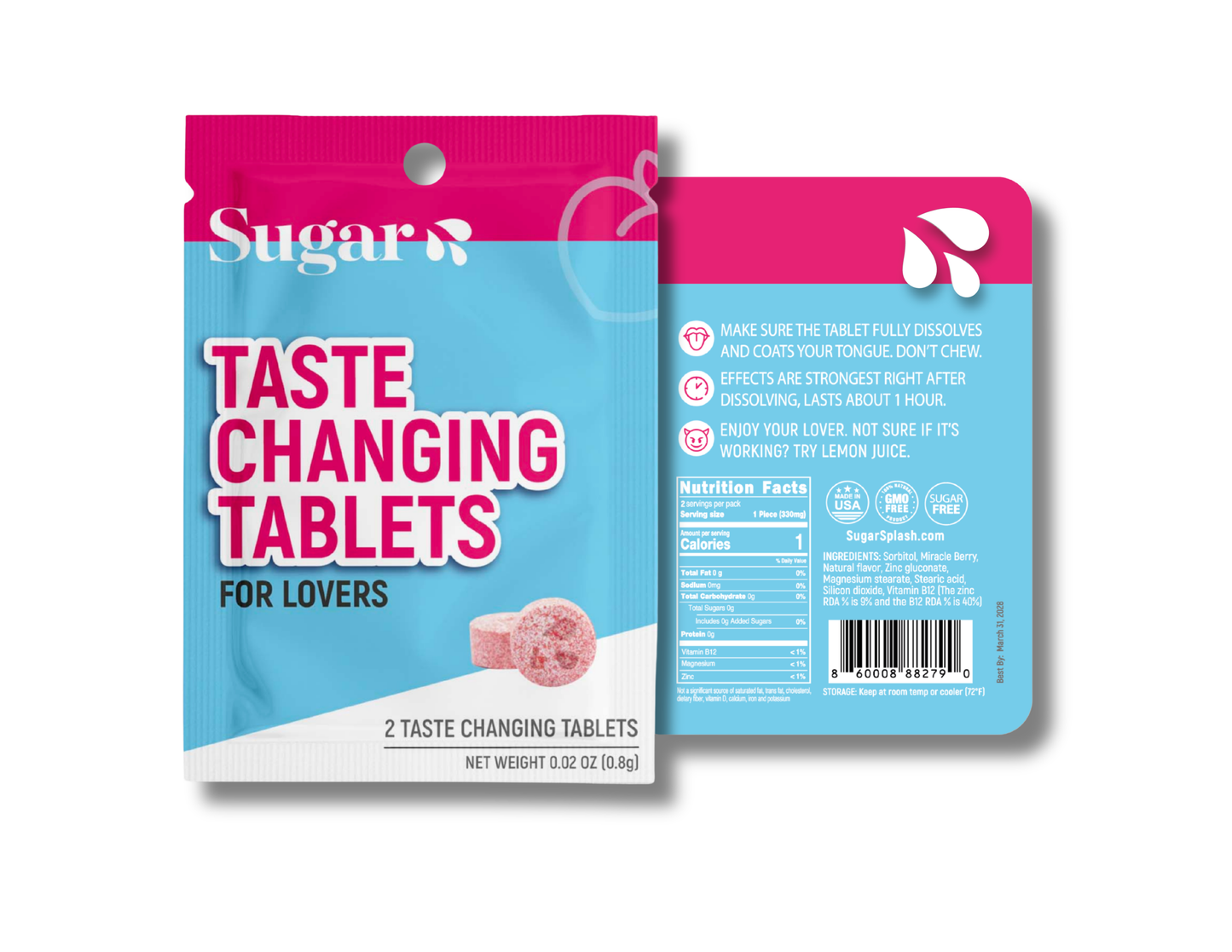
Products like Sugar Splash — intimacy products designed to make oral sex more enjoyable — are a genuinely fun, low-pressure way to open up the conversation. The trick is in how you bring them up.
What not to do
Don’t make it feel like a fix for a problem. “I got this because you don’t really like giving oral” is not the vibe. That puts your partner on the defensive and frames the product as a critique.
Don’t put pressure on it or make it feel like a non-negotiable. Pressure does not lead to great sex or a great relationship.
What actually works
Bring it in with curiosity and play — these products are meant to be fun. Remember that the right suggestion for you depends on your relationship and we don’t know your relationship. So only use ideas that would feel natural for you and your partner.
- Leave it somewhere visible (bathroom counter, bedside table) and let them ask. Curiosity is a great opener, especially if your partner would think it was hot to have a new sex product show up.
- Bring it up while shopping: “Oh, I saw this stuff online that I’ve been wanting to try — have you ever heard of it?”
- Gift it lightheartedly: “I got us something kind of fun — wanna try it sometime?”
- Use it as a direct bridge: “I saw this and it made me want to talk more about oral — can we?”
The product becomes a prop for a conversation that might have otherwise felt hard to start. It makes the ask playful rather than loaded — and that’s exactly the right energy.
Remember that the best sex isn’t the result of two people silently hoping the other figures it out. It’s built — conversation by conversation, ask by ask, little piece of honesty by little piece of honesty. Start the conversation you’ve been putting off and get on track for the best sex of your life.